Drone Roof Inspection vs. Manual Inspection: Which Is Safer and More Accurate?
When a roof may be damaged, the first challenge is getting a clear view of the affected areas without creating unnecessary risk. For property owners researching drone roof inspection Ventura County services, aerial documentation offers a way to capture detailed photos and video while the operator remains on the ground. A manual inspection, however, may allow a qualified roofing professional to physically examine materials and confirm conditions that images alone cannot establish.
So, which method is safer and more accurate? Drone roof inspections are generally safer for the initial visual assessment because they reduce the need to climb onto the roof. However, neither method is automatically more accurate in every situation. Drones are especially useful for documenting visible exterior conditions and hard-to-reach areas, while manual inspections may still be necessary when a qualified professional needs physical access, hands-on testing, or a closer evaluation of roofing materials.
The best approach depends on the roof, the purpose of the inspection, the visible conditions, and the type of information needed.
Quick Answer
A drone roof inspection is typically the safer first step because it can document the roof without requiring someone to walk on elevated, steep, wet, fragile, or visibly damaged surfaces. It can also provide broad, high-resolution visual coverage from multiple angles. However, drone imagery cannot confirm every roofing problem. If the images reveal possible damage or do not answer a specific technical question, a qualified roofer or inspector may recommend a targeted manual follow-up.
What Is a Drone Roof Inspection?
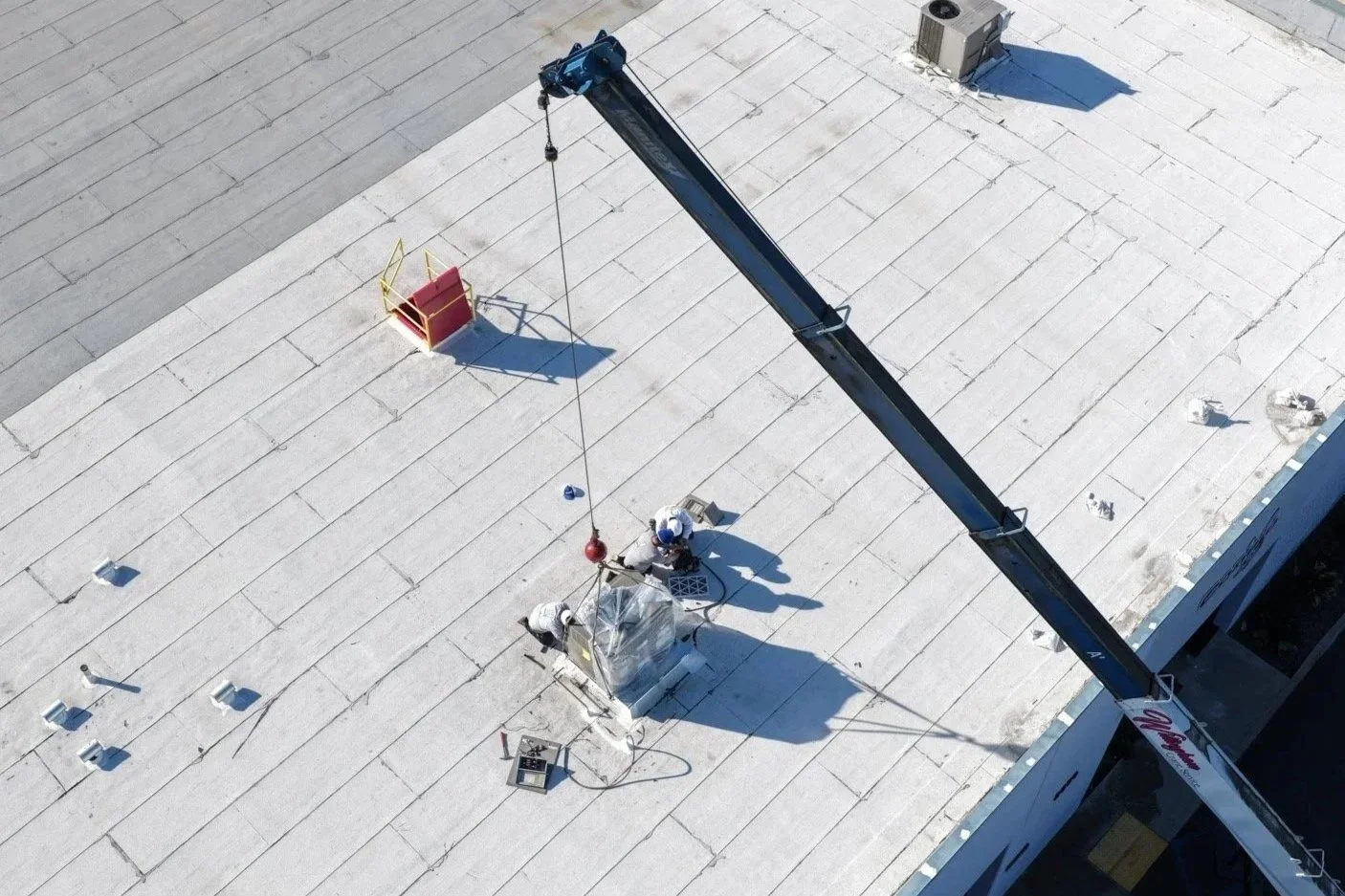
A drone roof inspection uses an unmanned aircraft equipped with a camera to photograph or record the exterior of a roof from above and around the structure. The drone pilot can capture areas that may be difficult to see from the ground, including roof slopes, ridgelines, valleys, flashing, vents, gutters, solar-panel surroundings, and other exterior features.
The resulting media creates a visual record that property owners, roofing contractors, property managers, and other qualified professionals can review. Depending on the project, the deliverables may include:
High-resolution aerial photographs
Video of specific roof sections
Wide views showing the complete roof layout
Closer images of visible damage or areas of concern
Organized visual documentation for later review
Importantly, a drone service captures visual data. It does not automatically diagnose the cause of damage, determine whether a roof is structurally safe, or replace a professional evaluation when specialized roofing expertise is required.
Dragon Media provides drone inspection services in Ventura County for roofs, buildings, properties, and other hard-to-reach exterior areas.
What Happens During a Manual Roof Inspection?
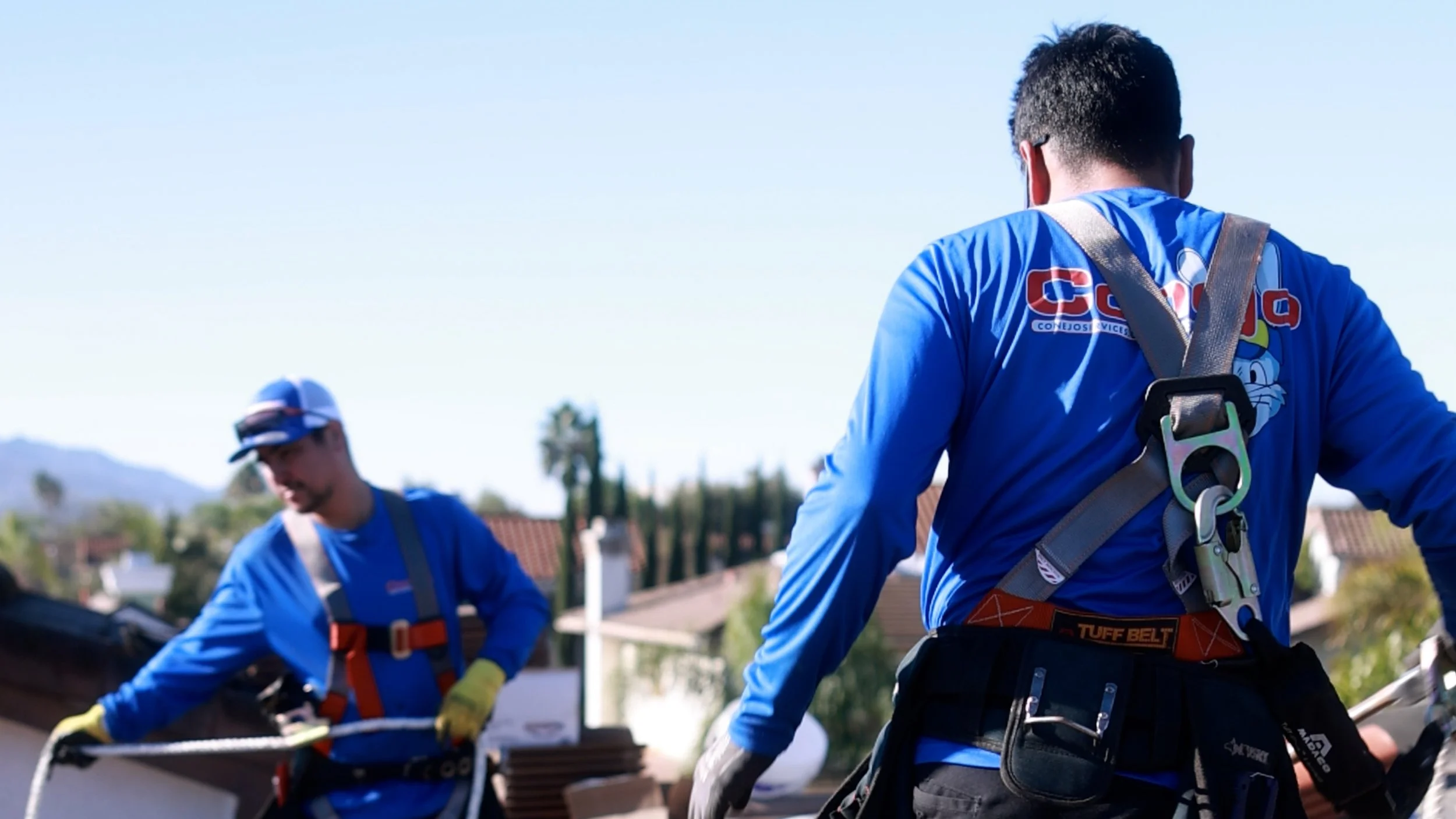
During a manual roof inspection, a roofing professional or qualified inspector may use a ladder to access the roof and examine selected areas directly. Depending on the roof and the scope of work, the inspection may involve walking the surface, viewing roofing materials at close range, examining accessible components, or evaluating conditions that require physical contact.
Manual access can provide information that a camera cannot. For example, a qualified professional may need to assess whether a material feels loose, soft, brittle, or unstable. However, climbing and walking on a roof can introduce fall hazards, and foot traffic may not be appropriate for every roof.
The condition of the surface matters. A roof may be steep, wet, aged, fragile, partially obstructed, or visibly damaged. Therefore, the decision to access it should be made by a qualified professional using the appropriate safety procedures and equipment.
Drone Roof Inspection vs. Manual Inspection at a Glance
Drone Roof Inspection vs. Manual Inspection at a Glance
| Comparison | 🚁 Drone Roof Inspection | 🪜 Manual Roof Inspection |
|---|---|---|
| Access | Captures exterior roof views while the pilot remains on the ground. | Usually requires ladder access and may require walking on the roof. |
| Fall Exposure | Reduces the need for a person to work at roof height during visual documentation. | Can expose the inspector to elevated surfaces and roof-specific hazards. |
| Visual Coverage | Efficient for broad views, multiple slopes, edges, and difficult-to-reach areas. | Coverage may be limited by safe walking paths and accessible sections. |
| Close Visual Documentation | Can capture high-resolution images when flight conditions and a safe operating distance allow. | Allows direct viewing at close range in safely accessible areas. |
| Physical Testing | Cannot touch, lift, probe, or feel roofing materials. | May allow qualified professionals to perform an appropriate hands-on evaluation. |
| Repeatability | Can create organized images of the same roof areas for future comparison. | Notes and photographs depend on the inspector’s access and documentation process. |
| Effect on Roof Surface | Does not require foot traffic on the roof. | Walking may be unsuitable for fragile, damaged, or certain specialty materials. |
| Best Role | Initial visual assessment, exterior documentation, and identifying areas for closer review. | Targeted hands-on evaluation when direct access is safe and necessary. |
Which Roof Inspection Method Is Safer?
For initial exterior documentation, a drone inspection generally reduces human exposure to roof-related hazards. The pilot can collect imagery without placing an inspector on a ladder or roof surface.
This distinction matters because roofing work involves fall risk. The Occupational Safety and Health Administration identifies falls as a major workplace hazard and requires fall protection in many construction situations. Although a property inspection is not identical to active roofing work, the same physical concern remains: accessing an elevated surface creates risks that do not exist when the visual review is completed from the ground.
A drone may be especially useful when the roof is:
Steep or difficult to access
Wet, slippery, or covered with debris
Aged or potentially fragile
Visibly damaged after wind or severe weather
Located on a tall or large building
Designed with multiple slopes or limited safe walking areas
Surrounded by features that make ladder placement difficult
However, using a drone does not eliminate every risk. A commercial operator still needs to evaluate weather, wind, visibility, airspace, obstacles, nearby people, and the condition of the flight area. The Federal Aviation Administration requires business drone operations to follow Part 107 rules, and certain locations or operating conditions may require additional authorization or planning.
Therefore, the safer method is not simply “use a drone under all conditions.” It is to choose the access method that collects the necessary information while controlling the risks present at that specific property.
Which Method Is More Accurate?
Which Method Is More Accurate?
Accuracy depends on what the inspection needs to establish. Visual documentation and a final roofing diagnosis are related, but they are not the same.
| Type of Accuracy | What Drone Imagery Can Establish | What Requires Professional Confirmation |
|---|---|---|
| Visual Accuracy | High-resolution photographs can create a clear and reviewable record of exterior conditions visible at the time of the flight. | Image quality depends on lighting, camera angle, flight distance, visibility, and whether any part of the roof is obstructed. |
| Diagnostic Accuracy | Aerial images can help a qualified professional locate visible concerns and determine which areas may require further evaluation. | Establishing the cause, severity, or appropriate repair may require professional interpretation, direct inspection, interior review, testing, or another specialized method. |
Key takeaway: Drone imagery can strengthen the visual evidence available for evaluation, but the final roofing diagnosis depends on qualified professional judgment.
What Can a Drone Reveal About a Roof?
Aerial imagery may document visible conditions such as:
Missing, displaced, lifted, or visibly damaged roofing materials
Debris accumulation
Surface discoloration or staining
Visible punctures, cracks, or impact marks large enough to appear in the imagery
Conditions around flashing, vents, chimneys, skylights, and roof penetrations
Bent or damaged gutters and roof edges
Ponding water visible on low-slope roof surfaces
Areas around solar panels that are difficult to see from the ground
Differences between roof sections that may justify closer evaluation
These images can help a qualified professional decide where additional attention may be needed. They can also reduce guesswork when discussing the roof with property owners or project teams because everyone can refer to the same visual record.
Still, an image should be described according to what it actually shows. For example, a dark area may be documented as discoloration, but imagery alone may not establish whether moisture exists beneath the surface or what caused the condition.
What Can a Drone Roof Inspection Miss?
Even clear aerial images have limits. A standard visual drone inspection may not confirm:
Moisture trapped beneath roofing materials
Damage concealed below the visible surface
The condition of an attic or interior roof structure
Whether a material is loose, soft, brittle, or firmly attached
Very small defects that are obscured by angle, shadow, glare, dirt, or nearby components
Conditions underneath overlapping materials, flashing, or solar panels
The exact cause, severity, or repair requirement associated with a visible condition
Weather and property conditions can also affect the flight. Strong wind, rain, poor visibility, nearby obstacles, people, traffic, or airspace restrictions may delay or limit aerial capture.
This is why responsible drone documentation should not promise that every defect will be found. Instead, it should provide useful visual evidence and make limitations clear.
When Is a Manual Follow-Up Still Necessary?
A qualified roofer or inspector may recommend direct access after reviewing the aerial images. A targeted manual follow-up may be appropriate when:
The images reveal a condition that requires physical confirmation.
A suspected problem is hidden beneath the visible roof surface.
Interior staining or leakage must be traced to its source.
The professional needs to assess the texture, attachment, movement, or condition of a material.
An area is obscured by equipment, flashing, solar panels, shadows, or the roof design.
The requested report requires procedures beyond visual documentation.
Repair planning requires measurements, testing, or hands-on evaluation that a drone cannot provide.
In these situations, the aerial inspection can make the manual inspection more focused. Rather than beginning without a clear view of the roof, the professional can use the imagery to identify specific sections that may require closer access.
Is a Hybrid Inspection the Most Complete Option?
For many properties, a staged approach can provide the best balance between safety and information.
| Stage | Purpose |
|---|---|
| 1. Ground and Site Review | Evaluate the property, obstacles, people, weather, and safe flight conditions. |
| 2. Drone Documentation | Capture wide and detailed views of accessible exterior roof areas. |
| 3. Image Review | Organize visible findings and identify areas that may need professional interpretation. |
| 4. Targeted Follow-Up | A qualified roofer or inspector determines whether safe manual access, interior review, or testing is necessary. |
This process uses the drone for what it does well: remote access, broad visual coverage, and organized documentation. It reserves manual access for conditions that genuinely require hands-on review.
However, not every project needs both methods. If the purpose is simply to document visible exterior conditions, drone imagery may provide the required information. If the concern is beneath the surface or inside the building, aerial photography may only be one part of the evaluation.
How Drone Roof Inspections Help Ventura County Properties
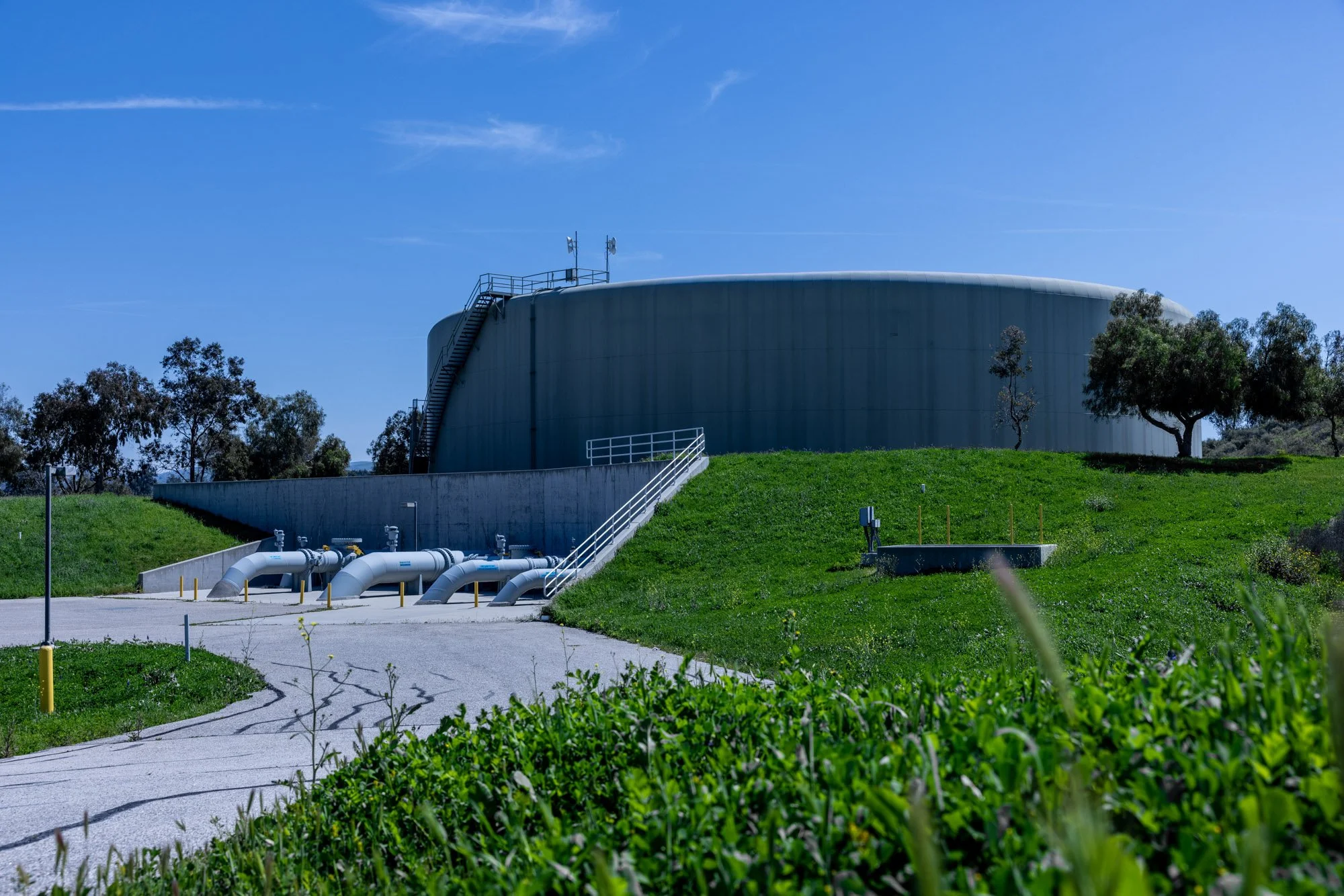
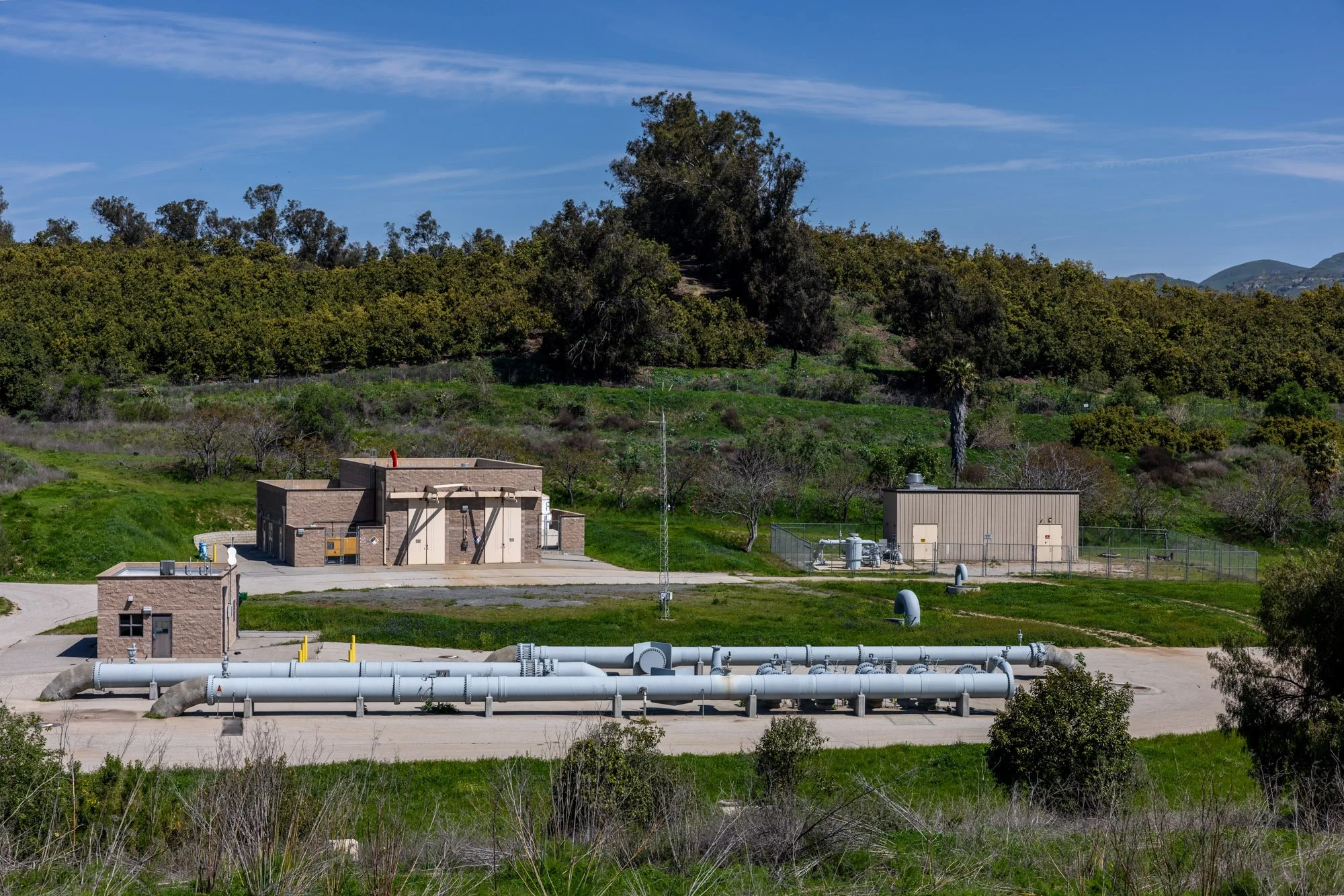
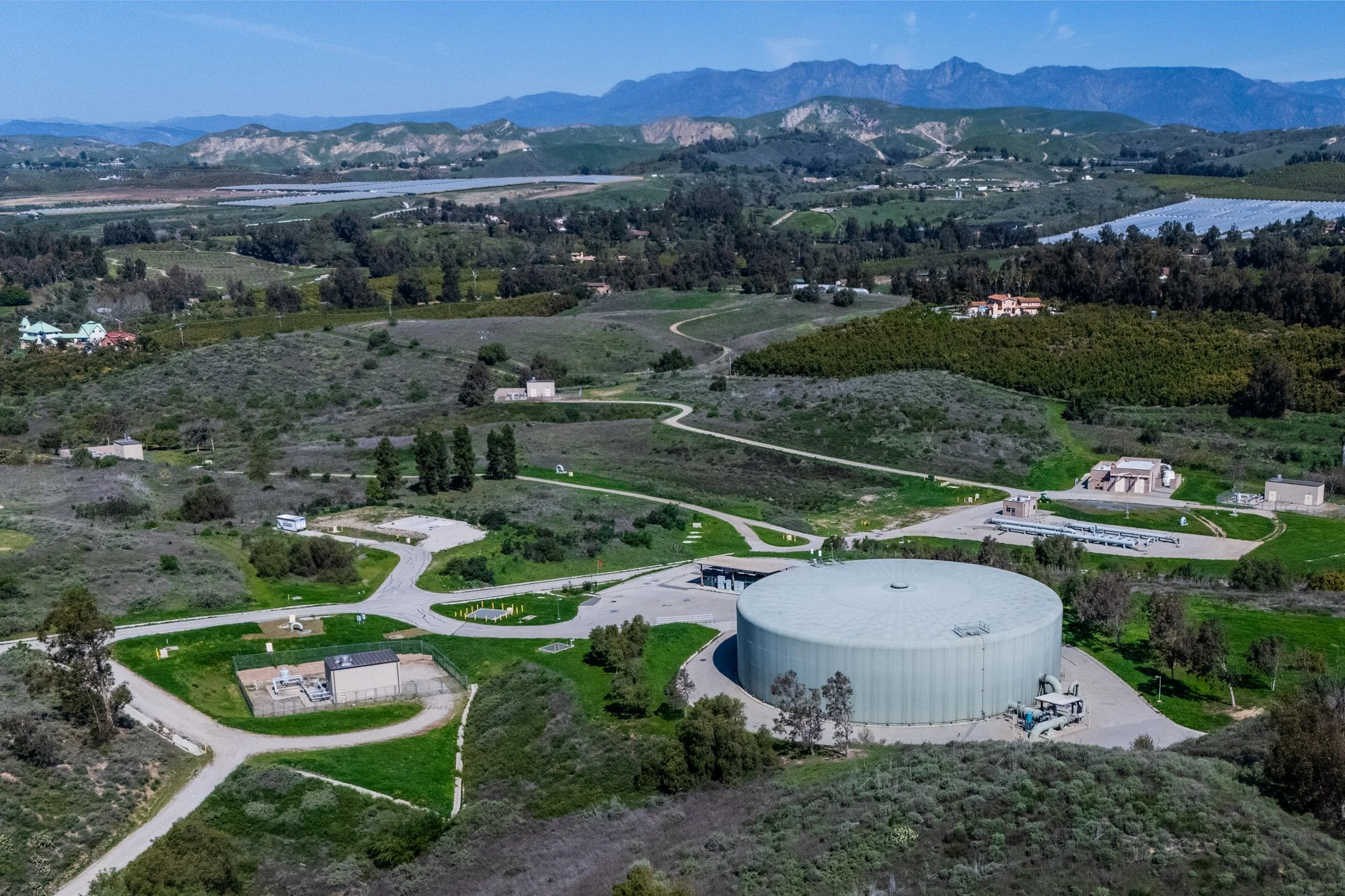
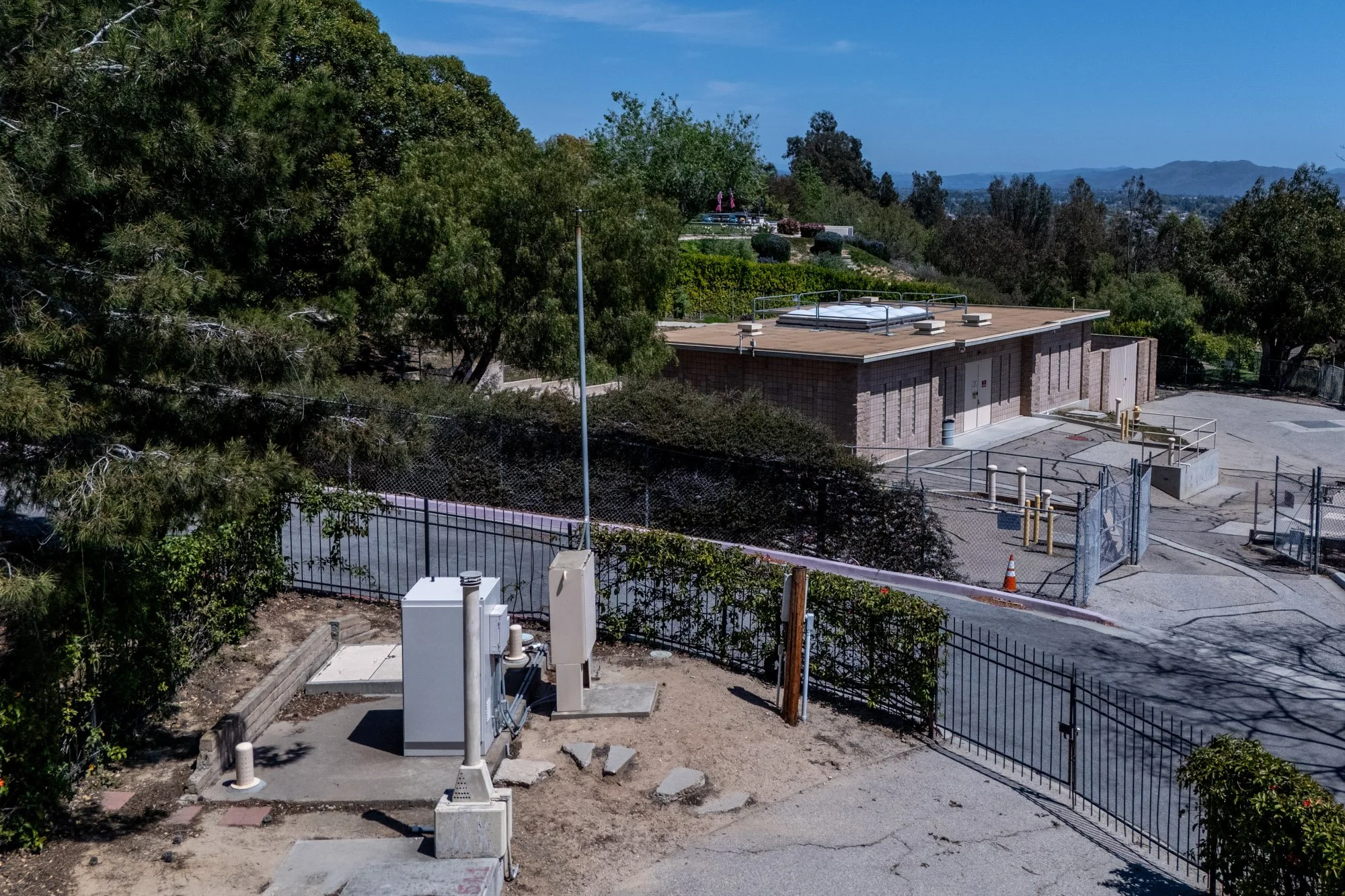
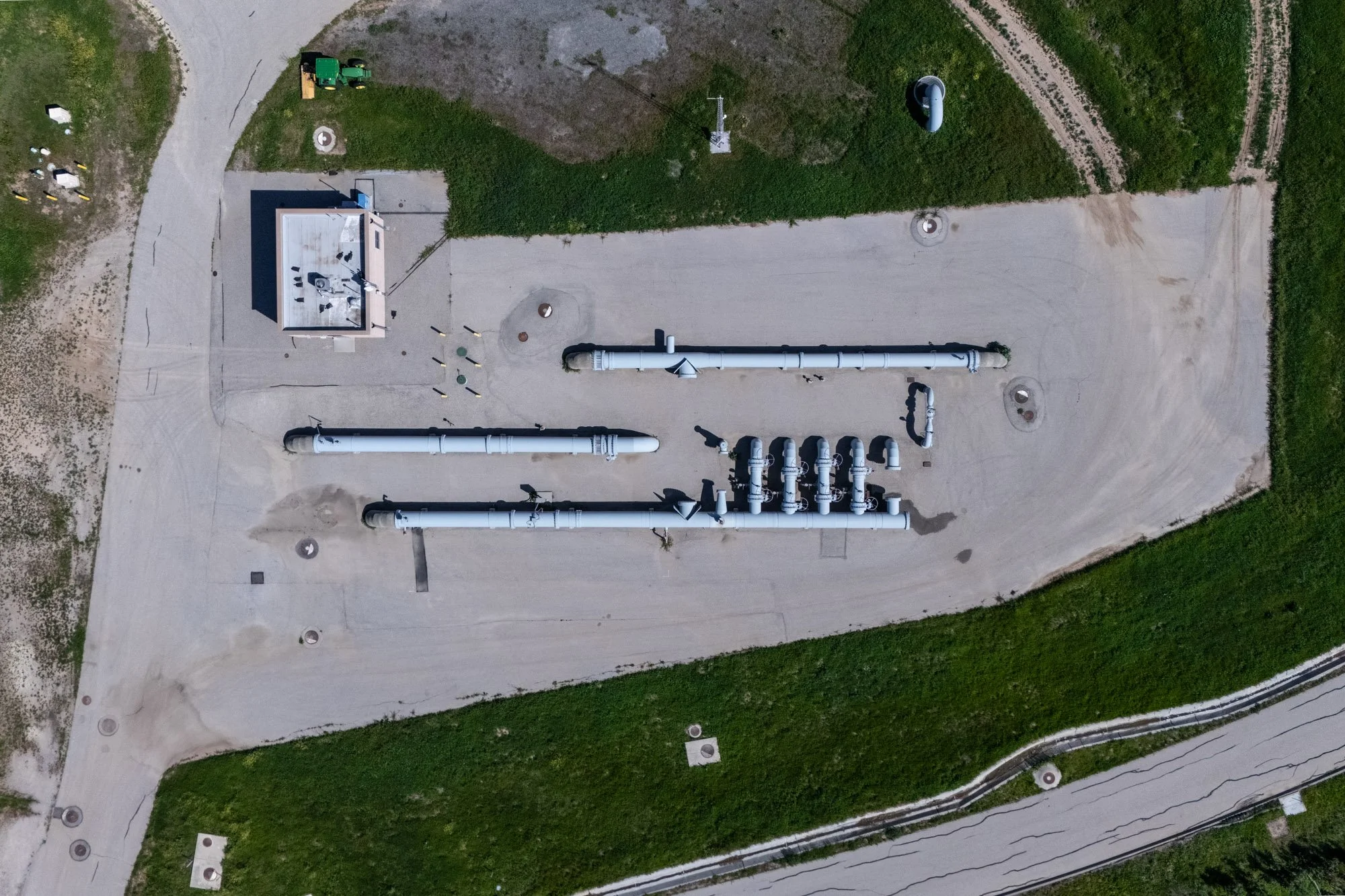
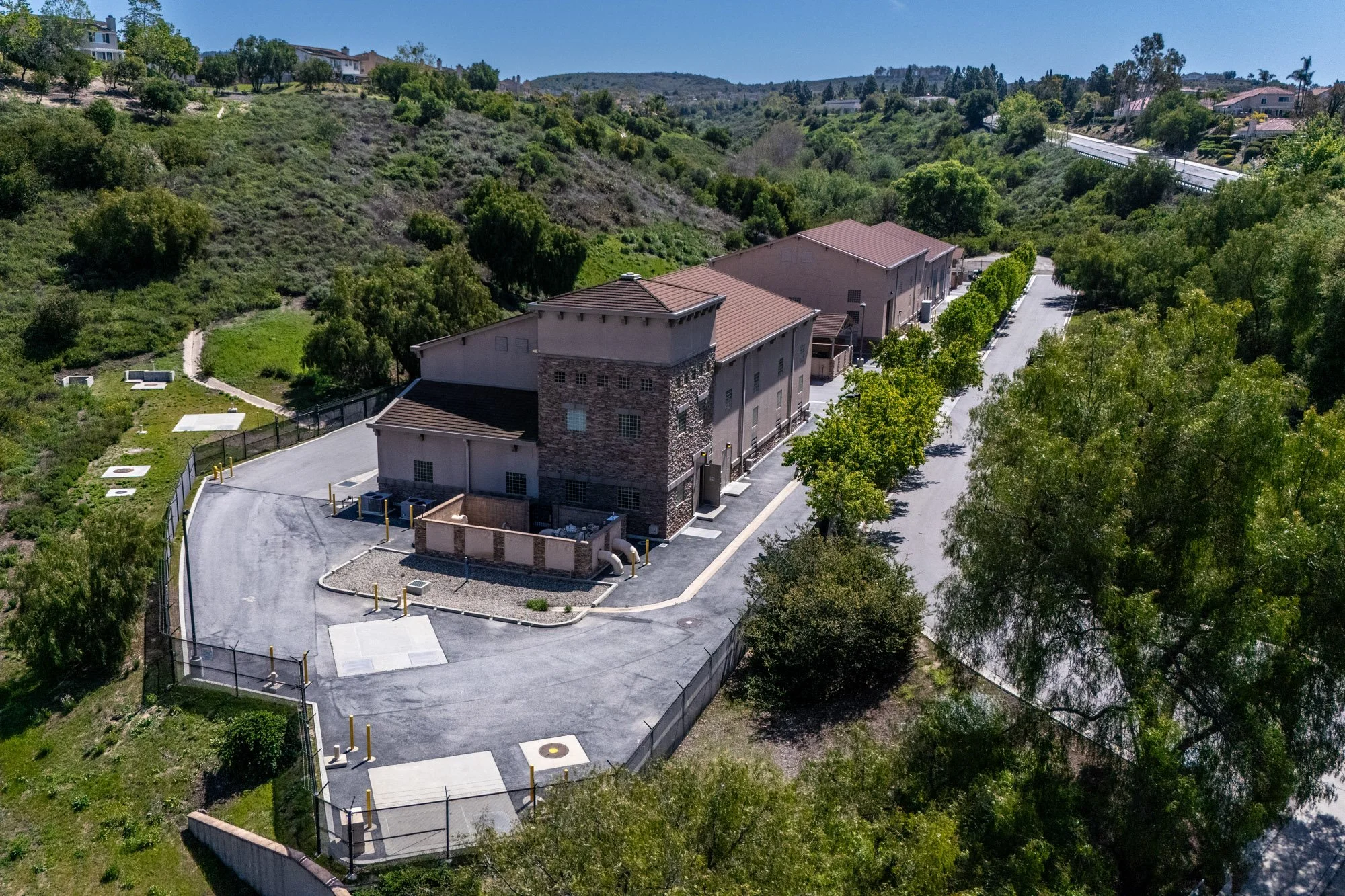
Ventura County includes coastal areas, inland communities, residential neighborhoods, commercial properties, and buildings with many different roof designs. Wind, sun exposure, seasonal rain, debris, property height, and surrounding terrain can all influence how easily a roof can be viewed from the ground.
A professional drone inspection can help document roofs throughout Thousand Oaks, Westlake Village, Simi Valley, Moorpark, Camarillo, Oxnard, Ventura, and nearby communities. The service may be useful for:
Homeowners who want clear exterior roof images
Roofing contractors who need aerial documentation before deciding whether direct access is necessary
Property managers responsible for multiple buildings or large roof areas
Commercial property teams that need visual records for maintenance discussions
Solar professionals who need views of panels and surrounding roof areas
Project stakeholders who cannot all be present during the inspection
For a broader overview of available aerial applications, see Dragon Media’s guide to drone services in Ventura County.
What Should You Expect From a Professional Drone Roof Inspection?
A professional project should begin with planning rather than immediate flight. The operator should understand the location, the areas that need to be documented, the intended use of the images, and any known concerns.
The process may include:
1. Project and Site Planning
The operator reviews the address, project goals, roof layout, nearby obstacles, airspace, weather, and requested deliverables.
2. On-Site Safety Review
Before takeoff, the pilot evaluates current conditions, establishes a safe operating area, and confirms that the flight can proceed responsibly.
3. Aerial Image Capture
The drone captures overall roof views and closer images of relevant exterior areas when conditions, legal requirements, and safe flight distance allow.
4. Image Organization and Delivery
The photographs or video are prepared for review. Clear files make it easier to compare roof sections and communicate with a roofing professional or other project stakeholder.
Dragon Media’s commercial drone operations are conducted by an FAA Part 107-certified pilot and supported by more than $1 million in liability coverage. You can learn more about the company’s complete Ventura County drone services.
Questions to Ask Before Scheduling
Before booking a drone roof inspection, ask:
Is the operator FAA Part 107 certified for commercial work?
Does the operator carry commercial drone liability insurance?
What roof areas will the project attempt to document?
Will the deliverables include high-resolution photographs, video, or both?
How will images be organized and delivered?
Are there weather, airspace, access, or property conditions that could affect the flight?
Does the service provide visual documentation only, or is a separate qualified professional responsible for interpreting roof conditions?
These questions help define the scope before the project begins and reduce the chance of expecting a drone photographer to provide conclusions that require roofing credentials or specialized testing.
Frequently Asked Questions
-
For the initial visual assessment, a drone generally reduces the need for ladder use and roof walking. That can lower human exposure to elevated, steep, slippery, fragile, or visibly damaged surfaces. The flight itself must still be planned and conducted safely under applicable FAA requirements.
-
They can provide thorough visual coverage and detailed documentation of visible exterior conditions. However, they cannot verify every hidden or physical condition. Accuracy depends on the question being asked, the image quality, the roof conditions, and whether professional interpretation or a manual follow-up is needed.
-
A drone may document visible exterior conditions associated with an area of concern, but standard aerial images do not necessarily identify the source of a leak. Water can travel within a roof assembly, and confirming the cause may require interior review, moisture testing, or direct evaluation by a qualified roofing professional.
-
Not always. Trees, roof equipment, solar panels, nearby structures, shadows, weather, airspace, and safe operating distances can limit visibility or access. A professional operator should explain any areas that could not be adequately documented.
-
No. Drone imagery can give a roofer or qualified inspector a detailed exterior visual record. The professional responsible for diagnosing the condition of the roof should determine whether the images are sufficient or whether further inspection or testing is required.
-
The time on site depends on the property size, roof complexity, requested coverage, weather, airspace, and surrounding obstacles. Project scope should be confirmed before scheduling rather than estimated from roof size alone.
Final Verdict: Drone or Manual Roof Inspection?
For safe, efficient visual documentation, a drone roof inspection is often the strongest first step. It can reduce the need for a person to access the roof, capture hard-to-reach exterior areas, and produce clear images that can be reviewed and shared.
However, the most accurate method depends on the information needed. A drone is well suited to documenting visible exterior conditions. A manual inspection is better suited to physical evaluation when direct access is safe, appropriate, and performed by a qualified professional.
Rather than treating the two methods as competitors, property owners can use drone imagery to determine whether a more focused manual inspection is necessary. This approach can improve visual coverage while limiting avoidable roof access.
Schedule a Drone Roof Inspection in Ventura County
Need detailed aerial images of a residential or commercial roof? Dragon Media provides professional drone roof inspection services throughout Ventura County, including Thousand Oaks, Westlake Village, Simi Valley, Moorpark, Camarillo, Oxnard, and Ventura.
Contact Dragon Media to discuss the property, the areas you need documented, and the right aerial deliverables for your project.